
role of prototyping in the Pcba manufacturing process
Prototyping plays a crucial role in the PCBA (Printed Circuit Board Assembly) manufacturing process, serving as a vital step in the development and refinement of electronic products. Prototyping involves the creation of functional prototypes or mock-ups of PCBAs to validate designs, test functionality, and identify potential issues before full-scale production begins. This article explores the role of prototyping in PCBA manufacturing and its significance in ensuring the success of electronic products.
One of the primary roles of prototyping in pcba manufacturing is to validate and refine product designs. Before moving to mass production, designers and engineers create prototypes to translate conceptual designs into tangible products. Prototypes allow designers to evaluate the feasibility and functionality of their designs in a real-world environment, identify design flaws or deficiencies, and make necessary adjustments or improvements. By iteratively prototyping and refining designs, manufacturers can optimize product performance, reliability, and manufacturability, ultimately leading to a higher-quality end product.
Moreover, prototyping enables manufacturers to test the functionality and performance of PCBAs under various operating conditions and use cases. Prototypes are subjected to rigorous testing, including electrical testing, thermal testing, environmental testing, and reliability testing, to ensure that they meet the required specifications and performance standards. Testing prototypes early in the development process allows manufacturers to identify any issues or shortcomings and make design modifications before proceeding to full-scale production. This iterative testing and validation process help minimize the risk of costly errors or failures later in the production cycle.
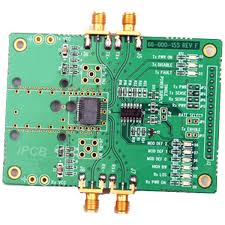
Can you explain the role of prototyping in the Pcba manufacturing process?
Furthermore, prototyping facilitates collaboration and communication among cross-functional teams involved in the product development process. Designers, engineers, technicians, and stakeholders can review and evaluate prototypes together, share feedback and insights, and work collaboratively to address any concerns or challenges. This collaborative approach fosters innovation, creativity, and problem-solving, leading to the development of better-designed and more robust PCBAs. Additionally, prototypes serve as valuable communication tools for presenting concepts and ideas to investors, customers, and other stakeholders, helping to garner support and investment for the project.
Additionally, prototyping accelerates the time-to-market for electronic products by enabling rapid iteration and refinement of designs. With advances in prototyping technologies such as rapid prototyping, 3D printing, and simulation software, manufacturers can quickly create and test multiple iterations of PCBAs in a relatively short timeframe. Rapid prototyping allows manufacturers to identify and address design issues early, make informed decisions, and iterate on designs rapidly, speeding up the overall product development process and reducing time-to-market. This agility and responsiveness are essential for staying competitive in fast-paced and dynamic markets.
Moreover, prototyping helps manufacturers mitigate risks and uncertainties associated with new product development. By creating prototypes and testing them extensively before full-scale production, manufacturers can identify and mitigate potential risks related to design complexity, component compatibility, manufacturing processes, and regulatory compliance. Addressing these risks early in the development process helps minimize the likelihood of costly setbacks, delays, or failures during production, ensuring a smoother and more predictable path to market success.
In conclusion, prototyping plays a pivotal role in the PCBA manufacturing process by enabling designers and engineers to validate designs, test functionality, collaborate effectively, accelerate time-to-market, and mitigate risks. Prototyping serves as a critical step in the iterative product development cycle, allowing manufacturers to refine designs, optimize performance, and ensure the quality and reliability of electronic products before they are mass-produced. By investing in prototyping capabilities and embracing a culture of innovation and experimentation, manufacturers can enhance their competitiveness, drive product innovation, and deliver exceptional value to customers in the rapidly evolving electronics industry.