
fpc pcb affect system integration complexity
Printed circuit boards (PCBs) are hardware components that feature conductive pathways between electronic devices. They have replaced traditional wiring in many applications, reducing costs by up to 70%. FPCs are the most popular PCB type. These flexible films contain thin layers of conductive material that connect electronic components to each other. They also provide mechanical flexibility and adapt to different sizes, shapes, and orientations of the device they are inserted into.
FPCs can flex or bend to fit in small spaces and adapt to the contours of various products, which allows them to be used where rigid-type fpc pcb cannot. This flexibility makes them ideal for use in portable electronic products, such as mobile phones. In addition, they offer high electrical conductivity and are easy to work with. They can be manufactured using a variety of materials, including fiberglass, but they usually consist of an epoxy resin infused with glass fibers. This makes them resistant to cracking and warping while still exhibiting superior thermal and electrical properties.
These materials are also light in weight, making them easy to transport and handle. This allows the manufacturing process to be more efficient and reduces overall production costs. This is particularly important for companies producing multiple boards at a time, such as a company that produces PCBs for cell phones. In addition, these materials are environmentally friendly.
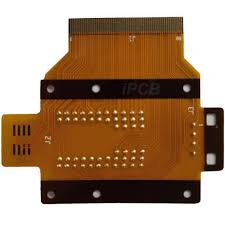
How do fpc pcb affect system integration complexity?
One of the biggest challenges with implementing a flexible circuit is that it can be difficult to keep track of all the changes that must be made to the design. However, the emergence of CAD software that integrates mechanical design with the laying out of the circuit board has helped to overcome this challenge. This technology imports the mechanical enclosure into the PCB layout, allowing designers to place and position all the components in real-time. It can also capture collision violations much earlier in the design cycle.
The main advantage of a flexible circuit is that it can be routed without the need for solder joints, reducing assembly time and costs. In addition, it can be reworked and repaired, which is not possible with traditional wires. However, the flex circuit must be designed with care in order to maintain its structural integrity and ensure a successful operation.
FPCs are also capable of retaining high line widths, which is vital for wireless communication. This is because the higher the line width, the faster the signal will travel and the lower the chance of interference from noise or electromagnetic radiation. This is why many manufacturers choose to use flexible circuits for wireless electronics.
The thickness of a fpc pcb depends on the material it is made from and the design it is used for. It can range from 0.002 inches to 1/8 inch. A thinner layer of copper will result in a lighter, more flexible board. A thicker layer will be more durable and rigid, but it will also be less conductive. The choice of material will depend on the application, as well as the desired cost and performance.