
optimize stencil design for Pcb assembly companies
Optimizing stencil design is a critical step in the PCB assembly process, significantly impacting the quality and reliability of the final product. The stencil used in PCB assembly plays a vital role in the application of solder paste, which is essential for creating strong, reliable solder joints. Here are several strategies and considerations for optimizing stencil design to enhance PCB assembly performance.
One of the primary factors in optimizing stencil design is choosing the right material. Stencils are typically made from stainless steel or nickel, both of which offer durability and precision. Stainless steel stencils are widely used due to their robustness and cost-effectiveness. Nickel stencils, although more expensive, provide finer tolerances and better paste release properties, which are particularly beneficial for high-density and fine-pitch components. The choice of material should be based on the specific requirements of the pcb assembly companies design and the components being used.
The thickness of the stencil is another crucial consideration. Stencil thickness determines the volume of solder paste deposited on the PCB pads. A thicker stencil deposits more solder paste, which can be advantageous for components with large pads or those requiring a substantial solder joint. Conversely, thinner stencils are better suited for fine-pitch components, where excessive solder paste can lead to bridging and other defects. The optimal stencil thickness is typically determined through a combination of design rules, component specifications, and empirical testing.
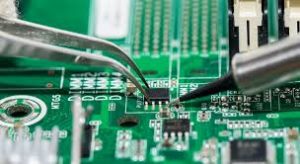
How do you optimize stencil design for Pcb assembly companies?
Aperture design is central to effective stencil optimization. The size and shape of the apertures must be carefully designed to ensure accurate and consistent solder paste deposition. For fine-pitch components, rounded or trapezoidal apertures are often used to promote better paste release and reduce the risk of clogging. Additionally, optimizing the aspect ratio (the ratio of the aperture width to the stencil thickness) and the area ratio (the ratio of the aperture area to the pad area) is essential. Generally, an aspect ratio of 1.5:1 or higher and an area ratio of 0.66:1 or higher are recommended to ensure reliable paste release.
The use of step stencils can also enhance stencil design. Step stencils have varying thicknesses in different areas, allowing for optimized paste deposition for components with diverse solder paste requirements. This approach is particularly useful for mixed-technology boards, where components of different sizes and pitches are placed on the same PCB. By selectively varying the stencil thickness, step stencils ensure that each component receives the appropriate amount of solder paste, thereby improving the overall quality of the solder joints.
Laser cutting is the preferred method for creating high-precision stencils. Laser-cut stencils offer superior accuracy and consistency compared to chemically etched stencils. The precision of laser cutting ensures that the apertures are accurately shaped and positioned, which is crucial for achieving consistent solder paste deposits. Additionally, laser cutting can produce finer apertures, making it suitable for high-density and fine-pitch PCB designs.
The use of nano-coatings on stencils is another innovation that can enhance stencil performance. Nano-coatings reduce the adhesion of solder paste to the stencil, improving paste release and reducing the risk of clogging. This results in cleaner, more consistent deposits and extends the stencil’s lifespan. Coated stencils are particularly beneficial for high-volume production, where maintaining consistency and minimizing downtime for cleaning are critical.
Regular maintenance and cleaning of stencils are essential to optimize their performance. Even the best-designed stencils can suffer from paste build-up and clogging if not properly maintained. Implementing a regular cleaning schedule using appropriate cleaning agents and techniques helps ensure that stencils remain in optimal condition. Automated stencil cleaning systems can further enhance maintenance efficiency, providing thorough and consistent cleaning.