
temperature control affect the Rigid flex pcb supplier process
Temperature control is a critical factor in the manufacturing process of Rigid-Flex Printed Circuit Boards (PCBs), influencing every stage from material selection to final assembly. Rigid-Flex PCBs, which integrate both rigid and flexible substrates, are particularly sensitive to thermal variations due to their complex construction and the distinct thermal properties of their constituent materials. Effective temperature control ensures product quality, reliability, and performance, making it a paramount concern for Rigid-Flex PCB suppliers.
One of the initial stages where temperature control is crucial is during the lamination process. Rigid-Flex PCBs are composed of multiple layers of rigid and flexible materials that are bonded together under heat and pressure. The precise temperature must be maintained to ensure proper adhesion without causing thermal damage to the materials. If the temperature is too high, it can lead to delamination, where layers separate, compromising the structural integrity of the PCB. Conversely, insufficient heat can result in weak bonds, affecting the board’s mechanical stability and electrical performance.
Temperature control also plays a vital role during the soldering process. Reflow soldering, commonly used in the assembly of rigid flex pcb supplier, involves heating the board to melt solder paste, forming electrical connections between components and the PCB. The reflow profile must be carefully controlled to achieve the correct peak temperature and maintain it for the appropriate duration. Excessive temperatures can damage sensitive components and degrade the flexible substrate, while inadequate heating can lead to poor solder joints and unreliable connections. Achieving an optimal reflow temperature profile ensures strong, reliable solder joints and minimizes thermal stress on the components.
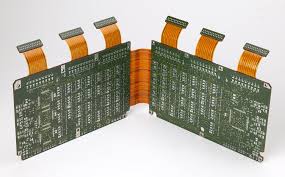
How does temperature control affect the Rigid flex pcb supplier process?
The importance of temperature control extends to the cooling phase post-soldering. Controlled cooling rates are necessary to prevent thermal shock, which can cause microcracks or warping in the PCB. These defects can significantly impact the mechanical and electrical properties of the board. Slow, uniform cooling helps maintain the structural integrity of both rigid and flexible sections, ensuring the overall durability and reliability of the Rigid-Flex PCB.
During testing and inspection phases, temperature stability is also crucial. Environmental stress screening (ESS) and thermal cycling tests are conducted to evaluate the PCB’s performance under varying temperature conditions. These tests simulate real-world operating environments to ensure that the Rigid-Flex PCBs can withstand thermal fluctuations without failure. Accurate temperature control during these tests is essential for generating reliable data and validating the PCB’s robustness and longevity.
Moreover, temperature control is critical in the storage and handling of Rigid-Flex PCBs. Both raw materials and finished products need to be stored in environments with controlled humidity and temperature to prevent moisture absorption and thermal degradation. Moisture trapped in the materials can vaporize during soldering, causing delamination or blistering. Maintaining a controlled storage environment preserves the material properties and ensures consistent quality throughout the manufacturing process.
In conclusion, temperature control is an integral aspect of the Rigid-Flex PCB supplier process, impacting every phase from lamination and soldering to testing and storage. Precise temperature regulation ensures strong material bonds, reliable solder joints, and the overall mechanical and electrical integrity of the PCBs. As the demand for Rigid-Flex PCBs grows in advanced electronics applications, the importance of meticulous temperature control becomes even more pronounced. Suppliers must employ sophisticated temperature management techniques to meet the stringent quality and reliability standards required in today’s competitive electronics market. This emphasis on temperature control ultimately enhances the performance and durability of Rigid-Flex PCBs, supporting their widespread adoption in increasingly complex and high-performance devices.