
custom pcb affect their reliability
Custom printed circuit boards (PCBs) are crucial components in modern electronics, tailored to meet specific requirements for various applications. The reliability of custom PCBs, however, is influenced by multiple factors, each playing a significant role in determining their performance and longevity. Understanding these factors is essential for designers and engineers aiming to produce dependable electronic devices.
One of the primary ways custom PCBs affect reliability is through their design intricacies. Custom PCBs are designed to fit unique specifications, which often means accommodating complex circuit layouts, high-density components, and specific electrical requirements. While this customization allows for optimized performance in particular applications, it also introduces potential points of failure if not meticulously designed. Issues such as improper trace routing, inadequate spacing between components, and poor thermal management can lead to signal interference, overheating, and component failure. Therefore, a well-thought-out design is paramount to ensuring the reliability of a custom PCB.
Material selection is another critical factor affecting the reliability of custom pcb. The choice of substrate material, copper thickness, and solder mask type can significantly impact the board’s performance under different environmental conditions. For instance, selecting a substrate with poor thermal conductivity can result in overheating, while inadequate copper thickness may lead to insufficient current carrying capacity. Moreover, the solder mask protects the PCB from oxidation and short circuits, so choosing the right type is vital for durability. Ensuring the use of high-quality materials that meet the specific demands of the application is essential for maintaining reliability.
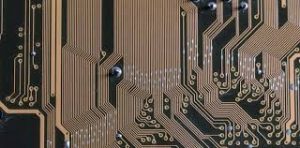
How does the custom pcb affect their reliability?
Manufacturing processes also play a pivotal role in the reliability of custom PCBs. The precision and quality control during fabrication determine the board’s ability to perform as expected. Advanced manufacturing techniques, such as automated optical inspection (AOI) and X-ray inspection, help detect defects like misaligned components, solder bridges, and voids. Ensuring stringent quality control measures during production can mitigate the risk of manufacturing defects that compromise the PCB’s reliability. Additionally, partnering with reputable manufacturers who follow industry standards and best practices is crucial.
Environmental factors can further impact the reliability of custom PCBs. PCBs used in harsh environments, such as extreme temperatures, high humidity, or exposure to corrosive substances, require additional considerations. Protective coatings, such as conformal coatings, can shield the PCB from environmental damage, enhancing its reliability. Moreover, designing for environmental resilience, including robust thermal management solutions and corrosion-resistant materials, ensures that the PCB can withstand the conditions of its intended use.
Testing and validation are integral to assessing and ensuring the reliability of custom PCBs. Rigorous testing protocols, including thermal cycling, shock, and vibration tests, help identify potential weaknesses in the design and manufacturing process. By subjecting the PCB to stress conditions that mimic real-world scenarios, engineers can evaluate its performance and make necessary adjustments to enhance reliability. Continuous testing throughout the development and production phases is essential to catch and rectify issues early.
The role of proper assembly cannot be overlooked when considering the reliability of custom PCBs. The soldering process, component placement accuracy, and use of appropriate flux are critical to ensuring solid electrical connections and structural integrity. Poor solder joints and misaligned components can lead to intermittent connections, short circuits, and ultimately, device failure. Therefore, maintaining high assembly standards and using advanced techniques such as reflow soldering and selective soldering contribute significantly to the reliability of custom PCBs.
In summary, the reliability of custom PCBs is influenced by a combination of design quality, material selection, manufacturing processes, environmental considerations, testing, and assembly practices. Each of these factors must be carefully managed and optimized to produce reliable and durable PCBs. By addressing these aspects comprehensively, designers and manufacturers can ensure that custom PCBs meet the stringent reliability requirements of modern electronic applications.