
lead times for flexible printed circuit manufacturers
Lead time is an essential consideration for any company working with flexible printed circuits (FPCs), as it directly impacts product development cycles, production schedules, and overall business efficiency. For industries such as consumer electronics, automotive, medical devices, and aerospace, where FPCs are widely used, understanding the lead times involved in their manufacture is critical. The lead time for flexible printed circuit manufacturers refers to the time taken from the initial design and order placement to the final delivery of the completed product. This period can vary depending on several factors, including the complexity of the design, the materials used, the quantity ordered, and the specific requirements of the customer.
One of the most significant factors affecting lead times is the complexity of the flexible printed circuit manufacturers design. A simple, single-layer flexible circuit with minimal components typically requires less manufacturing time compared to more complex multi-layer FPCs with intricate circuitry and specialized components. For example, a basic FPC design might take as little as 7 to 10 days to manufacture, while more sophisticated designs could take 3 to 4 weeks or even longer. Multi-layer FPCs are more challenging to produce because they involve additional steps, such as lamination, drilling, and precise alignment of the layers, all of which require more time to ensure accuracy and reliability.
The materials used also play a significant role in determining the lead time. Flexible printed circuits are made from various materials, including polyimide, polyester, copper foil, and other specialized materials that provide the necessary electrical, mechanical, and thermal properties. Some materials, particularly high-performance options for demanding applications like aerospace or medical devices, may have longer procurement times, contributing to extended lead times. Additionally, custom materials or substrates may require special orders, which could further delay the manufacturing process. Manufacturers typically stock common materials, but sourcing rare or specific materials may add extra time to the production schedule.
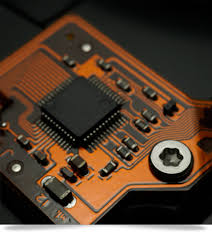
What are the lead times for flexible printed circuit manufacturers?
Another key factor influencing lead times is the quantity of the order. A small prototype order or a low-volume production run typically has a shorter lead time than a large-scale production order. Prototypes may take around 10 to 15 days for completion, while larger production runs, especially those requiring advanced testing or customization, might take 4 to 6 weeks or more. Manufacturers often work on prototypes first to refine designs and confirm performance specifications before moving on to full production. However, if the demand for a large order is high, or if the manufacturer has multiple clients competing for production slots, delays can occur.
The production process itself is another critical determinant of lead time. The key stages of FPC manufacturing include design and prototyping, etching and patterning of the circuit traces, layer lamination, drilling and hole creation, and final assembly. Each of these steps requires specialized equipment and expertise, and delays can arise if any stage encounters technical issues. For instance, the etching process, which involves chemically transferring the circuit design onto the copper foil, can be time-consuming and requires precision. Additionally, if the FPC design is complex, it may require additional steps for testing, such as electrical testing, insulation resistance testing, or visual inspection, all of which add to the lead time.
Customization and special requirements also impact lead times. If the customer requires specific features, such as flexible connectors, micro vias, or specific flex patterns, the manufacturer must adjust the design and production process accordingly. Customization often requires more iterations of the design, additional testing, or adjustments in material sourcing, which can extend lead times. Furthermore, for FPCs used in highly regulated industries such as medical devices or aerospace, manufacturers may need to comply with stringent certification and testing protocols, adding further time to the production process.
Shipping and logistics are also important factors in determining lead times. If a customer is located in a different region or country, shipping time must be factored into the overall lead time. Some manufacturers offer expedited shipping options for an additional fee, but even with this, global shipping logistics can still cause delays due to customs or unforeseen transportation issues. Therefore, manufacturers often provide estimates for both the production and shipping times to give customers a clearer understanding of when to expect the finished product.
In conclusion, the lead times for flexible printed circuit manufacturers vary widely depending on multiple factors, including the complexity of the design, the materials used, the order quantity, and customization requirements. On average, lead times can range from 7 to 10 days for basic designs and prototypes, to 3 to 6 weeks for large-scale or complex orders. To manage customer expectations and improve efficiency, manufacturers often prioritize transparent communication regarding lead times, and they work closely with clients to plan accordingly. Companies that require quick turnaround times often explore options like express manufacturing or rapid prototyping services, which can reduce lead times but typically at a higher cost. Understanding these variables is key for both manufacturers and customers to ensure timely delivery and high-quality results.