
Testing Processes Are Integral to Pcba Circuit Board
From the smartphone in your pocket to the television on your living room wall, PCBAs (Printed Circuit Board Assembly) are at the heart of the electronic devices you depend on. They connect all of the components together, such as microprocessors and memory, to make them work. Without these, your gadgets would be useless. To ensure that these vital boards are manufactured correctly and can perform as intended, testing is a crucial part of the production process. This guide covers some of the most important testing processes that are integral to pcba circuit board.
Before any components are added to a bare circuit board, it is inspected with specialized electrical tests to catch any flaws. This is an important step because errors in this phase can lead to major problems later on. Performing a basic bare board electrical test helps prevent major issues that can cost time and money to fix.
Before components can be inserted into the bare board, solder paste must be printed onto it. Manufacturers use a template to ensure that the correct amount of paste is placed on the locations where the components will be mounted. Inspectors will then inspect the printing for quality, adhesion, and conformity to regulations. This is an important step in the PCBA production process that helps reduce defects in the finished product.
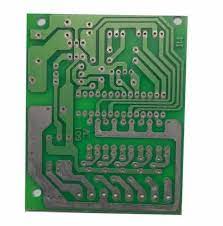
What Testing Processes Are Integral to Pcba Circuit Board?
Once the bare board is ready, the components must be placed onto the board and soldered in place. The placement of these surface mount components requires great attention to detail. Faults in this step can cause serious issues later on, including shorts and poor connections. In addition, manufacturers should be sure to properly reflow the solder after each component has been placed to ensure proper bonding.
Before the circuit board is deemed complete, all of its integrated circuits must be tested to confirm that they are functioning as designed. Using a variety of tools, these tests can include checking the circuit continuity with a multimeter or visually inspecting the components for signs of whiskers, bridges, or uneven/cold solder. Lastly, functional tests can be conducted by powering up the circuit board and toggling inputs to see if output responses are as expected.
Many circuits require accurate timing components, such as those found in quartz wristwatches or microcontrollers. These devices rely on crystal oscillators to create a regular electronic signal that can be detected by the circuit. These devices require a high-frequency vibration to operate, so it is important that they are tested regularly with proper equipment to verify that the signals they generate are of consistent quality. This can be done with a bed of nails tester, which utilizes fixed probes that match the design of the PCBA and contact each connection to check for integrity. RCA (Root Cause Analysis) and Data Mining are additional valuable tools for improving the accuracy of PCBA testing.